Children learn best when they are having fun. While traditional studying is important for academic development, brain games for kids can provide an enjoyable way to improve thinking, memory, concentration, creativity, and problem-solving skills. These games encourage children to observe carefully, make decisions, remember information, recognize patterns, and think logically.
Brain games are not necessarily complicated or expensive. Many can be played with simple household items, cards, paper, toys, or even just conversation. Parents and teachers can introduce these activities according to a child’s age and interests. The key is to make learning enjoyable rather than turning every activity into a competition.
Regularly playing age-appropriate brain games can help children develop important cognitive skills while also encouraging patience, curiosity, and confidence. From classic puzzles and memory games to Sudoku and strategy-based board games, there are many options available.
Here are the top 10 brain games for kids that combine learning and entertainment.
1. Sudoku
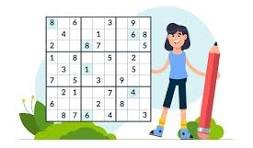
Sudoku is a popular number-based puzzle that can help children develop logical thinking and concentration. Although traditional Sudoku can be challenging for younger children, kid-friendly Sudoku puzzles with smaller grids are available.
The objective is to fill the empty spaces while following specific rules without repeating numbers in the same row, column, or section.
Sudoku encourages children to think carefully before making a decision. It can improve their ability to recognize patterns and use logical reasoning.
Skills developed: Logical thinking, concentration, problem-solving, and pattern recognition.
2. Memory Matching Game
Memory matching is one of the simplest brain games for children. The game can be played using specially designed cards or homemade cards with matching pictures.
Place the cards face down and let the child turn over two cards at a time. If the pictures match, the child keeps the pair. If they do not match, the cards are turned face down again.
Children need to remember where different pictures are located, making this an excellent activity for developing memory.
Parents can make the game more educational by using cards containing letters, numbers, animals, fruits, or vocabulary words.
Skills developed: Memory, concentration, observation, and visual recognition.
3. Crossword Puzzles
Crossword puzzles can be a fun way to introduce children to new words and improve their language skills. Simple crosswords designed for children can include clues related to animals, colors, food, school subjects, or everyday objects.
Solving clues requires children to think about words and connect information with the correct answer.
Crosswords can also help children improve spelling and vocabulary while encouraging them to think independently.
Skills developed: Vocabulary, spelling, memory, reasoning, and language skills.
4. Jigsaw Puzzles
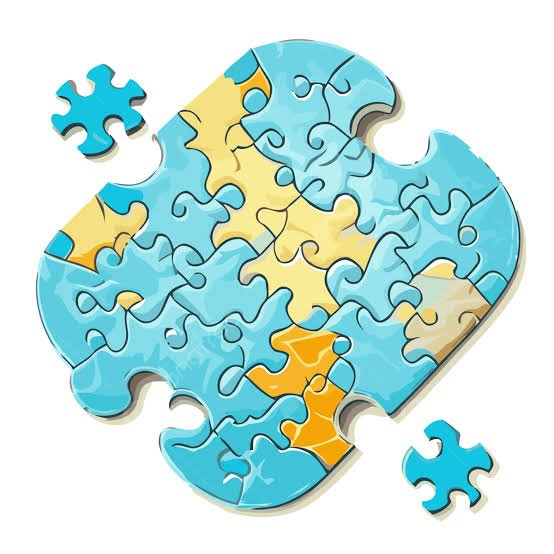
Jigsaw puzzles are excellent brain games for children of different ages. Children have to look at shapes, colors, patterns, and images to determine where each piece belongs.
Younger children can start with puzzles containing fewer and larger pieces, while older children can gradually move to more complicated puzzles.
Completing a puzzle also teaches children patience. Instead of immediately giving up when a piece does not fit, they learn to try different possibilities.
Skills developed: Problem-solving, visual perception, patience, concentration, and spatial awareness.
5. Chess
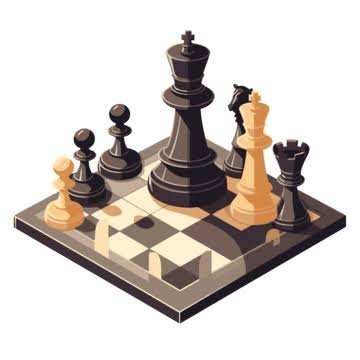
Chess is one of the most well-known strategy games in the world. It requires players to think ahead, understand consequences, and develop strategies.
Children can begin with simple lessons about the chess pieces and gradually learn more advanced strategies. Chess encourages them to consider different possibilities before making a move.
Playing chess regularly can also teach children that decisions have consequences and that planning can be important when solving problems.
Skills developed: Strategic thinking, planning, decision-making, concentration, and problem-solving.
6. Spot the Difference
“Spot the Difference” is a simple visual game where children compare two similar pictures and identify differences between them.
The differences may involve colors, objects, shapes, or small details. Children need to carefully examine both images rather than looking at them quickly.
This game is especially useful for improving attention to detail and visual observation.
Parents can find age-appropriate printable puzzles or create their own using drawings or photographs.
Skills developed: Observation, attention to detail, concentration, and visual memory.
7. Riddles
Riddles are a fun way to encourage children to think creatively. Instead of directly asking a question, riddles provide clues that require children to think about possible answers.
For example, a child might be asked a simple riddle about an animal, object, or natural phenomenon.
Riddles can encourage children to look at familiar things from a different perspective. They can also be played anywhere, making them convenient for parents and teachers.
Skills developed: Creative thinking, reasoning, language skills, and problem-solving.
8. Building Blocks and LEGO Challenges
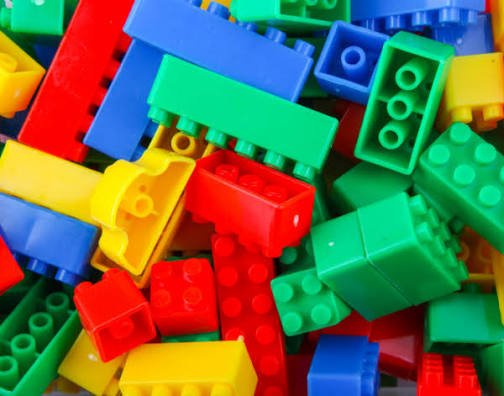
Building blocks and LEGO-style construction games allow children to create objects while solving practical problems.
Parents can give children simple challenges such as building a bridge, house, vehicle, tower, or imaginary city. Children then have to decide which pieces to use and how to connect them.
These activities encourage creativity while also introducing basic concepts related to balance, structure, size, and spatial relationships.
The best part is that there does not always have to be one correct answer. Children can experiment and create their own solutions.
Skills developed: Creativity, spatial reasoning, planning, problem-solving, and fine motor skills.
9. Pattern Recognition Games
Pattern games ask children to identify what comes next in a sequence. Patterns can involve colors, numbers, shapes, letters, or objects.
For example, parents can create a sequence such as:
Red – Blue – Red – Blue – ?
The child needs to recognize the repeating pattern and identify what comes next.
As children become more comfortable, parents can introduce more complicated sequences.
Pattern recognition is useful because it encourages children to identify relationships and predict what may happen next.
Skills developed: Logical thinking, prediction, observation, mathematical reasoning, and concentration.
10. Simon Says
Simon Says is a classic children’s game that combines fun with listening and attention skills.
One person becomes “Simon” and gives instructions such as “Simon says touch your nose.” Players should only follow the instruction when it begins with the words “Simon says.”
If an instruction does not begin with “Simon says,” children should not follow it.
The game requires children to listen carefully, remember the rules, control their reactions, and respond appropriately.
It can be played with multiple children and is particularly useful for classrooms, playdates, and family activities.
Skills developed: Listening, attention, memory, self-control, and following instructions.
Why Are Brain Games Important for Kids?
Brain games can make learning more interactive and enjoyable. Instead of simply memorizing information, children get opportunities to think, experiment, make decisions, and solve problems.
Different games support different areas of development. Memory games focus on remembering information, puzzles encourage problem-solving, chess develops strategic thinking, while construction games support creativity and spatial reasoning.
However, brain games should be treated as an enjoyable activity rather than a replacement for school, physical activity, sleep, or social interaction. Children benefit most from a balanced routine that includes learning, play, exercise, creativity, and adequate rest.
Parents can also participate in these games with their children. Playing together creates opportunities for communication and allows parents to understand how their children approach problems.
Tips for Choosing the Right Brain Game
When selecting a brain game, parents should consider the child’s age, interests, and current ability level. A game that is too difficult may make a child frustrated, while a game that is too easy may become boring.
It is also helpful to introduce different types of games instead of focusing on only one activity. For example, a child could play a memory game one day, solve a puzzle the next day, and try a strategy game later.
Most importantly, keep the experience fun. Praise children for their effort and encourage them to try different approaches rather than focusing only on winning.
Conclusion
Brain games are a great way to combine fun and learning. Activities such as Sudoku, memory matching, crosswords, jigsaw puzzles, chess, riddles, building challenges, and pattern games can encourage children to develop important cognitive skills.
The top 10 brain games for kids mentioned above offer a variety of ways to improve memory, concentration, creativity, logical reasoning, observation, and problem-solving abilities. Many of these games require little or no special equipment, making them easy to introduce at home or in the classroom.
Every child learns differently, so parents should experiment with different activities and discover which games their child enjoys most. When children associate learning with curiosity and enjoyment, they are more likely to stay engaged and develop a positive attitude toward learning.
Ultimately, the goal of brain games is not simply to make children smarter or more competitive. It is to encourage them to think creatively, solve problems, stay curious, and enjoy the process of learning.
Leave a Reply